Last Updated: 15th June, 2026 | 04:38:14 PM
Study Tips for High School Students
Master the Grade: Ultimate Study Tips for High School Students

High school is a pivotal chapter in every student's academic journey. It is a time when the curriculum becomes more rigorous, expectations heighten, and the stakes—ranging from standardized tests to university admissions—become significantly higher.
Many students step into high school relying on the same passive habits that worked for them in primary or junior secondary school, such as cramming the night before an exam or simply reading over notes. However, true
Whether you are trying to ace your continuous assessments, excel in your final terminal exams, or build a strong foundation for higher education, this comprehensive guide provides proven, actionable study tips to unleash your full potential.
Best AI tools for Teachers / Students
Google Workspace for Education Tutorials
1. Optimize Your Study Environment
Where you study matters just as much as how long you study. Your environment plays a massive role in how effectively your brain processes and retains information.
Establish a Dedicated Study Space: Dedicate a specific desk or corner of your room solely to academic work. Avoid studying on your bed, as your brain associates your bed with sleep, which can induce drowsiness.
Minimize Digital Distractions: The smartphone is arguably the biggest obstacle to deep focus. Turn off social media notifications, use apps that block distracting websites, or place your phone in another room entirely while studying.
Ergonomics and Lighting: Ensure your space is well-lit and your chair supports good posture. A poorly lit room strains your eyes, while discomfort disrupts your cognitive flow.
Research indicates that a stable, organized environment offers the emotional and mental security required to boost intellectual socialization and concentration.
Gamified Learning Platforms for Kids
Best Online High School Programs
2. Shift from Passive Reading to Active Recall
Many high school students fall into the trap of re-reading textbooks or highlighting large chunks of text. While this makes you feel like you are working hard, it is a highly inefficient way to learn. Instead, you must practice Active Recall.
Active recall forces your brain to retrieve information from memory, strengthening neural pathways. Here is how to apply it:
The Blurting Method: Read a section of your textbook for 10–15 minutes. Close the book, and quickly write down everything you can remember on a blank piece of paper. Open the book again and use a red pen to fill in the gaps of what you missed.
Flashcards: Write a question or formula on one side of a card and the answer on the other. Test yourself regularly.
Practice with Past Questions: One of the most effective strategies for exam preparation is testing yourself with structural formatting or multiple-choice questions from previous years.
This trains your brain to adapt to the pressure and structural layout of real examinations.
3. Implement Spaced Repetition
Cramming the night before an exam might help you pass a quiz the next morning, but that information will vanish from your brain within 48 hours. If you want to retain knowledge for major terminal exams or national certificates, you must combat the "Forgetting Curve" through Spaced Repetition.
Instead of reviewing a topic for five hours in one night, review it for 30 minutes over several intervals:
Day 1: Learn the concept in class or through self-study.
Day 2: Review your notes briefly and practice active recall.
Day 7: Revisit the topic by solving related practice problems.
Day 30: Test your memory on the subject without looking at your notes.
By spacing out your review sessions, you signal to your brain that this information is important, causing it to move from your short-term memory into your long-term memory.
How to Improve Reading Skills Quickly
4. Master the Art of Note-Taking
Good note-taking bridges the gap between what your teacher says and what you actually understand. Do not try to write down every single word your instructor utters. Instead, focus on key concepts, definitions, and relationships.
Consider utilizing the Cornell Note-Taking System:
The Note-Taking Column: Record the main ideas and facts during class.
The Cue Column: After class, write down keywords, prompts, or questions based on the notes.
The Summary Box: At the bottom of the page, write a 3–4 sentence summary of the entire sheet in your own words.
This method transforms a static piece of paper into a highly interactive, built-in study guide for future review sessions.
5. Leverage Peer Learning and Study Groups
You don't have to journey through high school completely alone. Engaging with peers can clarify complex subjects and provide alternative viewpoints on difficult problem-solving tasks.
Form Active Study Groups: Organize a small group of classmates to discuss challenging assignments or review difficult topics.
The Feynman Technique: The ultimate test of your understanding is your ability to explain a concept to someone else. Try teaching a tough math formula or history event to a classmate or family member in simple terms. If you stumble or resort to complex jargon, you have identified a gap in your own understanding.
Engage in Online Communities: If physical meetings are difficult, joining dedicated student forums or group chats can help you share study resources, track deadlines, and troubleshoot tough coursework.
6. Maximize Continuous Assessments (CAs)
In many educational systems, final grades are not decided solely by one end-of-year examination.
Consistently performing well on your continuous assessments alleviates massive amounts of pressure when final exams roll around. Treat every quiz, mid-term test, and assignment with the same level of academic rigor as a final exam. Excellent CA scores provide a comfortable safety net, ensuring you remain on track for top-tier marks even if an exam paper turns out to be unexpectedly challenging.
7. Build a Mental Library of Analytical Examples
As you progress into senior high school classes, assignments will transition away from basic memorization toward analytical writing and critical thinking. Whether you are drafting an English essay or tackling social studies prompts, your ability to argue a point depends heavily on your supporting evidence.
Develop a "mental library" of versatile, real-world examples across key subject areas:
History & Government: Key historical events, governance structures, and societal shifts.
Science & Tech: Breakthrough innovations, environmental impacts, and ethical debates.
Literature: Themes of conflict, human nature, and cultural representation.
When sitting for timed essay exams, having a curated catalog of examples memorized allows you to organize your thoughts cleanly without wasting precious minutes trying to invent arguments on the spot.
8. Prioritize Time Management and Well-being
The most sophisticated study strategies are useless if you are suffering from burnout or sleep deprivation. High school success requires a balanced approach to both your academics and your health.
Active Recall and Spaced Repetition Techniques
Best educational Apps for Adults
The Pomodoro Technique: Work with your brain, not against it. Study intensely for 25 minutes, followed by a 5-minute break to stretch or drink water. Repeat this cycle four times, then take a longer 20–30 minute break. This keeps your mind fresh and prevents mental fatigue.
Protect Your Sleep: Your brain processes, categorizes, and solidifies everything you learned during the day while you sleep. Aim for 7–9 hours of sleep nightly, especially during exam weeks.
Nutrition and Hydration: Fuel your body with nutritious food and drink plenty of water.
Your brain depends heavily on steady hydration to maintain focus, clarity, and processing speed.
Final Thoughts
Succeeding in high school is less about your natural intelligence and far more about your academic habits, consistency, and discipline. By optimizing your learning environment, choosing active recall over passive reading, keeping track of your continuous assessments, and managing your time effectively, you can transform your academic performance.
Implement these strategies step-by-step, track what works best for your unique learning style, and watch your grades skyrocket!
Active
Recall and Spaced Repetition Techniques
Best
educational Apps for Adults
Online
Tutoring Jobs for Teens
Homeschooling
Tips for Working Parents
Microlearning
Courses for Professionals
AI-powered
lesson plan generators
Best
AI tools for Teachers / Students
Google
Workspace for Education Tutorials
Gamified
Learning Platforms for Kids
Best
Online High School Programs
How
to Improve Reading Skills Quickly
Related Posts

Financial Literacy for High Schoolers...
15th June, 2026
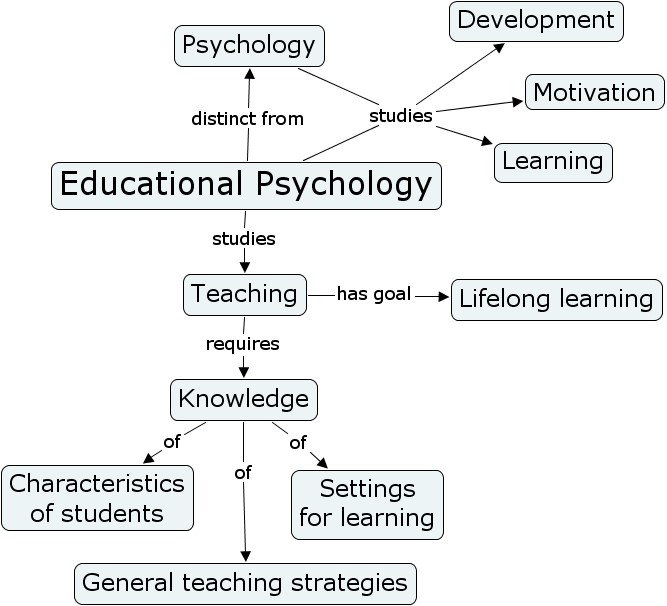
Educational Psychology Strategies...
15th June, 2026
 examples.png)
Universal Design for Learning (UDL) examples...
15th June, 2026
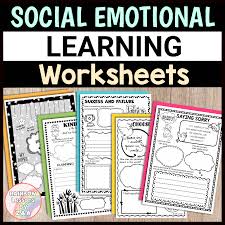
Social Emotional Learning (SEL) Activities...
15th June, 2026

Sensory Activities for Toddlers...
15th June, 2026

Educational Podcasts for Kids...
15th June, 2026
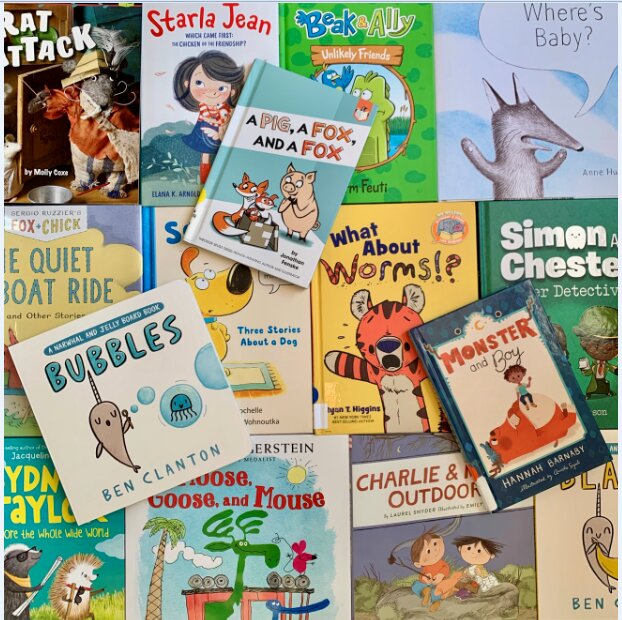
Books for Early Readers...
15th June, 2026

Play-based Learning Ideas at Home...
15th June, 2026
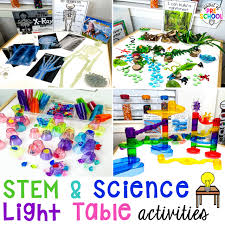
STEM Activities for Preschoolers...
15th June, 2026
Best Digital Planners for College Students...
15th June, 2026
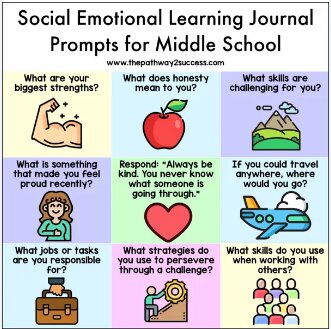
Writing Prompts for Middle School...
15th June, 2026

How to Improve Reading Skills Quickly...
15th June, 2026
Categories
Blog Posts






Breaking News
We usually sends BREAKING News to students of National Open University, NOUN. Not to miss any of our latest updates, enter your email here