Last Updated: 15th June, 2026 | 05:23:04 PM
Sensory Activities for Toddlers
The Ultimate Guide to Sensory Activities for Toddlers: Benefits, Ideas, and Safety Tips

As a toddler transitions from infancy into early childhood, their world expands dramatically. They transform from passive observers into active explorers who use every ounce of their energy to figure out how things work. During this rapid phase of development, language skills, hand-eye coordination, and cognitive faculties begin to blossom.
According to research material on early childhood education found on
One of the absolute best ways to support this natural growth trajectory is through sensory play. In this comprehensive article, we will break down exactly what sensory activities are, why they are crucial for your toddler's developing brain, and provide a massive list of easy-to-implement sensory play ideas you can try at home today.
Best AI tools for Teachers / Students
What is Sensory Play?
Sensory play includes any activity that stimulates a young child’s senses. While we traditionally think of the five primary senses—touch, sight, hearing, smell, and taste—sensory play also engages two lesser-known but equally critical internal senses:
Vestibular (Balance): The sense that tells us where our head and body are in space, helping us keep our balance.
Proprioception (Body Awareness): The sense that tells us how much force our muscles and joints are using, allowing us to coordinate movements.
By creating activities that target these distinct neurological systems, parents provide the baseline environmental input that young brains crave to build structural connections.
Google Workspace for Education Tutorials
Gamified Learning Platforms for Kids
STEM Activities for Preschoolers
Why Sensory Activities Matter: The Developmental Benefits
Every time a toddler squishes a handful of cold mud, listens to a rattling shaker, or watches food coloring disperse in water, their brain forms new neural pathways. The benefits of these activities extend into almost every area of early child development:
1. Fine and Gross Motor Skill Enrichment
Manipulating small objects like beans, scooping water, and pinching playdough builds strength in the tiny muscles of the fingers and hands. These are essential fine motor skills that form the foundation for later milestones like holding a pencil, using scissors, and buttoning clothing. On the flip side, jumping on sensory mats, balancing on stepping stones, and dancing to music build larger gross motor muscle groups.
2. Language and Communication Development
Sensory play naturally encourages descriptive language. When your child interacts with a sensory bin, they aren't just playing—they are learning concepts like hot, cold, rough, smooth, slimy, loud, and fragile. As outlined in early childhood study guides on
Best Online High School Programs
How to Improve Reading Skills Quickly
3. Cognitive Growth and Problem Solving
Sensory activities allow toddlers to act like miniature scientists. They form hypotheses ("What happens if I dump this water into the sand?") and witness immediate physical reactions. They learn about cause and effect, gravity, spatial awareness, and basic math principles like volume and measurement through direct, hands-on experimentation.
4. Emotional Regulation and Calming Effects
Have you ever noticed how a fussy toddler instantly calms down when placed in a warm bathtub? Sensory play is incredibly therapeutic. Mindful sensory engagement—like playing with kinetic sand or pouring water—can soothe an overstimulated child, redirect negative behavior, and help them process internal anxiety or frustration.
A healthy, supportive home environment is deeply tied to emotional outcomes. Disruptions in a child’s home balance can alter behavioral development. Engaging in playful, collaborative activities like sensory play is a great way for parents to provide the stable, nurturing interactions children need to flourish, which serves as a protective factor against broader emotional stressors detailed in family studies on
Play-based
Learning Ideas at Home
Best
Digital Planners for College Students
Writing
Prompts for Middle School
Study
Tips for High School Students
Active
Recall and Spaced Repetition Techniques
Best educational Apps for Adults
30+ Creative Sensory Activity Ideas for Toddlers
To help you get started, we have categorized these engaging activities by the primary sense they stimulate.
👐 Touch (Tactile Play)
The Classic Rice Bin: Fill a large plastic container with raw white or dyed rainbow rice. Add measuring cups, spoons, and small plastic toys for scooping and burying.
Shaving Cream Paint: Squirt a thin layer of shaving cream onto a clean plastic tray or baking sheet. Drop a few drops of food coloring into it and let your toddler swirl it around with their fingers.
Waterbead Excavation: Waterbeads provide a unique squishy, slippery texture. Hide small toy animals inside a tub of waterbeads and ask your toddler to rescue them. (Note: Requires strict supervision; see safety section below).
Nature Texture Walks: Collect leaves, pinecones, twigs, flower petals, and smooth rocks from your backyard. Let your toddler feel the differences between crunchy, smooth, prickly, and soft textures.
Oobleck Fun: Mix two parts cornstarch with one part water. This non-Newtonian fluid acts like a solid when squeezed tightly but turns back into a liquid when released, offering a fascinating physical contrast.
👁️ Sight (Visual Play)
Color Mixing Bags: Squeeze two different colors of washable paint (e.g., yellow and blue) into a zip-top plastic bag. Tape the bag securely to a window or table and let your toddler squish it to watch a new color (green) appear.
Shadow Puppets: Turn off the lights, grab a flashlight, and cast shapes on the wall using your hands or cardboard cutouts.
Oil and Water Discovery Bottles: Fill a plastic water bottle halfway with water (dyed with food coloring) and the rest with baby oil. Glue the cap closed. Your toddler can shake it and watch the colorful bubbles separate.
Flashlight Tag: In a dim room, move a flashlight beam across the floor and have your child chase or step on the light spot.
Sensory Discovery Sorting: Gather toys of distinct primary colors and have your toddler sort them into matching colored baskets or sheets of paper.
👂 Hearing (Auditory Play)
DIY Sound Shakers: Fill empty plastic eggs or small bottles with different materials like dry beans, rice, pennies, or cotton balls. Seal them shut and let your toddler listen to the distinct sounds they make when shaken.
Rainmaker Tubes: Put crumpled aluminum foil inside a cardboard paper towel tube, add a handful of rice, and securely tape up both ends. When tilted, it mimics the soothing sound of rain.
Musical Pots and Pans: Turn over regular kitchen pots and let your child bang them with wooden spoons to experiment with volume and rhythm.
Nature Listening Walks: Sit quietly outside for two minutes and ask your toddler to mimic every sound they hear—birds chirping, cars driving by, wind blowing through leaves.
Freeze Dance: Play upbeat music and have your toddler dance. When you hit pause, they must freeze instantly. This builds great self-regulation skills!
👃 Smell & 👅 Taste (Olfactory & Gustatory Play)
Scented Playdough: Add a few drops of essential oils (like lavender, lemon, or peppermint) or a packet of unsweetened drink mix into homemade playdough to activate their sense of smell while sculpting.
Blindfold Taste Test: Cut up various kid-safe fruits (strawberries, bananas, oranges, lemons) and have your toddler close their eyes, taste a piece, and guess what fruit it is based on texture and flavor.
Spice Painting: Mix water and a bit of glue with ground spices like cinnamon, nutmeg, or ginger. Have your toddler paint on cardstock; the artwork will smell wonderful even after it dries.
Herb Crushing Station: Give your toddler a mortar and pestle (or a wooden spoon and plastic bowl) with fresh mint, basil, or rosemary leaves. Show them how crushing the leaves releases a potent, pleasant aroma.
Yogurt Paint: If your toddler still puts everything in their mouth, dye plain Greek yogurt with food coloring. They can paint on a high-chair tray and safely sneak a taste.
🤸 Movement & Balance (Vestibular & Proprioceptive Play)
Living Room Obstacle Course: Lay down couch cushions to climb over, painters tape lines to balance on, and a low table to crawl under.
Animal Walks: Challenge your toddler to hop like a frog, waddle like a duck, crawl like a bear, or slither like a snake. This heavy muscular work provides deep sensory input.
Sensory Walkways: Create a walking path using structural floor squares made of different textures (e.g., a piece of carpet, bubble wrap, a faux-fur rug, and a corrugated cardboard box).
Cushion Crashing: Pile up large pillows or a mattress pad on the floor and let your toddler jump safely into the middle of the pile.
The Blanket Sled: Have your child sit safely on a large, soft blanket on a smooth wood or tile floor, and gently pull them around the room.
Critical Safety Guidelines for Sensory Play
While sensory play is highly rewarding, safety should always remain a top priority. Toddlers explore things using their mouths, which introduces distinct physical hazards. Keep these basic protocols in mind:
Choking Hazards: Avoid using small objects like unpopped popcorn kernels, dried waterbeads, small marbles, or small buttons if your child is under three years old or still prone to mouthing items.
Toxic Materials: Ensure all ingredients used in DIY recipes (like playdough, slimes, and paints) are labeled non-toxic or made using food-grade materials.
Allergen Checks: Be mindful of food allergies if you use items like peanut butter, flour, or dairy products in sensory bins.
Adult Supervision: Never leave a toddler unattended during sensory play. Activities involving water, small loose parts, or plastic bags require close, eyes-on supervision at all times.
Conclusion
Sensory activities do not need to be expensive or overly complicated to set up. Most of the best sensory experiences utilize everyday items that you already have sitting in your pantry or kitchen cabinets. By dedicating just fifteen to twenty minutes a day to structured sensory play, you give your toddler a fun outlet to blow off steam while simultaneously building a stronger, more resilient brain. Pick two or three ideas from this list to try out this week, embrace the messy fun, and watch your child's imagination and intelligence thrive!
Online Tutoring Jobs for Teens
Homeschooling Tips for Working Parents
Microlearning Courses for Professionals
AI-powered lesson plan generators
Related Posts

Financial Literacy for High Schoolers...
15th June, 2026
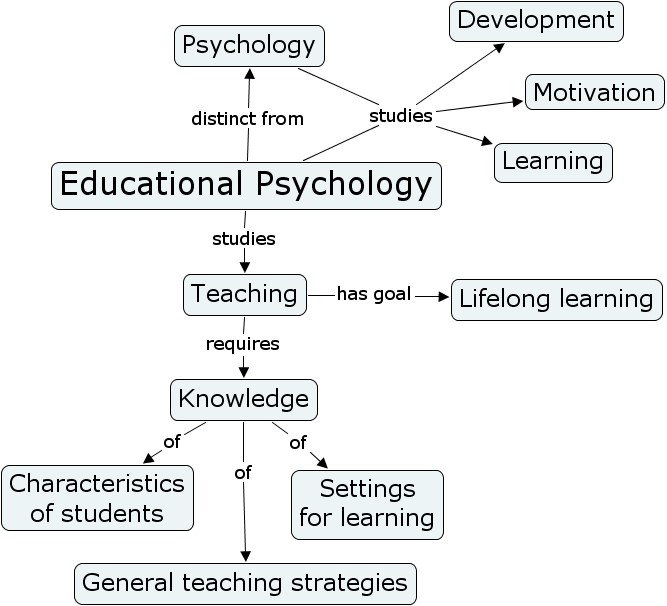
Educational Psychology Strategies...
15th June, 2026
 examples.png)
Universal Design for Learning (UDL) examples...
15th June, 2026
Social Emotional Learning (SEL) Activities...
15th June, 2026
Educational Podcasts for Kids...
15th June, 2026
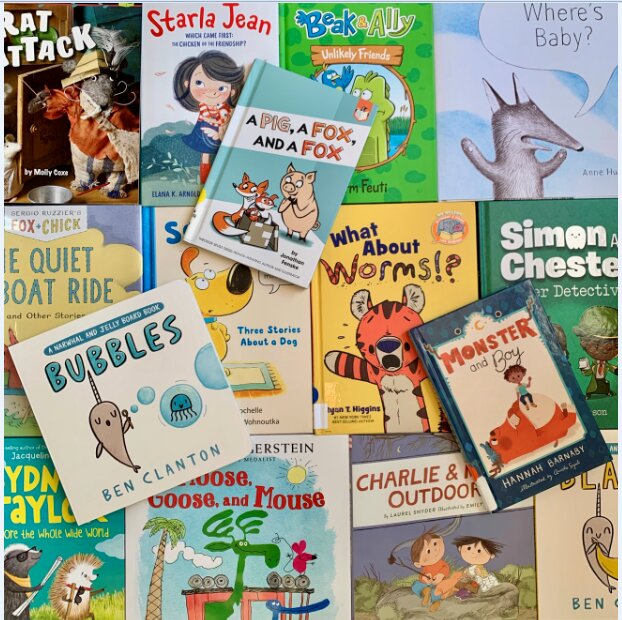
Books for Early Readers...
15th June, 2026

Play-based Learning Ideas at Home...
15th June, 2026
STEM Activities for Preschoolers...
15th June, 2026
Best Digital Planners for College Students...
15th June, 2026
Writing Prompts for Middle School...
15th June, 2026
Study Tips for High School Students...
15th June, 2026

How to Improve Reading Skills Quickly...
15th June, 2026
Categories
Blog Posts






Breaking News
We usually sends BREAKING News to students of National Open University, NOUN. Not to miss any of our latest updates, enter your email here