Last Updated: 15th June, 2026 | 05:19:44 PM
Educational Podcasts for Kids
The Power of Audio Learning: The Ultimate Guide to Educational Podcasts for Kids

In an era dominated by screens, finding a balance between entertainment and meaningful education for children has become one of the greatest challenges of modern parenting and teaching. While digital tablets, smartphones, and televisions often get a bad rap for promoting passive consumption, a powerful alternative has quietly taken center stage: educational podcasts for kids.
Audio learning offers a unique, immersive experience that stimulates a child’s imagination in ways that videos cannot. By removing visual stimuli, podcasts require children to actively listen, process information, and build mental images, boosting comprehension and cognitive growth.
STEM
Activities for Preschoolers
Whether you want to spark an interest in science, dive deep into historical adventures, explore complex social issues, or simply find an enriching alternative to screen time, this comprehensive guide will walk you through everything you need to know about educational podcasts for young minds.
Why Audio Learning Matters for Modern Children
To understand why podcasts are booming in early childhood education, we have to look closely at how kids interact with media. According to research on the
Additionally, concerns regarding
Reduces Screen Fatigue: Podcasts allow kids to step away from bright blue-light screens while still satisfying their curiosity.
Enhances Listening Comprehension & Vocabulary: Active listening stretches a child's attention span and introduces complex, contextual vocabulary naturally. This foundation aligns closely with the long-term communicative and language proficiencies required in structured environments like the
IELTS speaking practice framework Encourages Multi-tasking and Play: Unlike a video that binds a child to a couch, a podcast can be enjoyed while drawing, building with Legos, eating breakfast, or during long car rides.
Fosters Critical Thinking: Without ready-made visuals, a child's brain has to construct the scene, fostering creativity and independent thought.
Top Educational Podcasts for Kids (By Subject)
The variety of high-quality, professionally produced kid-friendly podcasts is vast. Here are some of the most reliable and highly rated educational podcasts across major subjects:
1. Science and Curiosity
Brains On! (American Public Media): A science podcast co-hosted each week by a different kid and public radio reporters. It tackles fascinating questions like "Why is the sky blue?" or "How do deep-sea creatures survive?" with a brilliant mix of humor, interviews with experts, and catchy songs.
Wow in the World (NPR): Hosted by Mindy Thomas and Guy Raz, this wildly popular show takes kids on a journey through the latest news in science, technology, and space. Its high-energy, cartoon-like audio production makes complex scientific discoveries understandable and extraordinarily fun.
Tumble Science Podcast for Kids: Tumble focuses not just on scientific facts, but on the process of science. It teaches kids how scientists ask questions, make mistakes, and uncover secrets about the universe.
2. History and Social Studies
Who, When, Wow! (Tinkercast): An immersive journey exploring the lives of history’s unsung heroes, revolutionaries, and bold innovators. It brings historical contexts alive using engaging audio dramas.
The Past & The Curious: This comedic history podcast shares little-known, inspiring, and often humorous true stories from the past. It emphasizes human resilience, creativity, and the oddities of old-world traditions, usually accompanied by live music.
Forever Ago (Brains On! Spin-off): A history show that looks at the surprising origins of everyday things—like shoes, umbrellas, or video games. It teaches kids to analyze how small human inventions changed human societies over generations.
Best AI tools for Teachers / Students
3. Storytelling, Literacy, and Language
Circle Round (WBUR): Circle Round adapts carefully selected folktales from around the world for kids aged 4 to 10. Each story explores important moral lessons such as kindness, persistence, and generosity, and features voices from renowned stage and screen actors.
Story Pirates: Comedians, musicians, and actors take real stories written by actual children and turn them into wild, hilarious sketch comedies and musical numbers. It serves as an exceptional tool to motivate kids to write their own stories.
Greeking Out (National Geographic Kids): For children fascinated by mythology, this podcast delivers exciting retellings of classic Greek, Norse, and Egyptian myths in a kid-safe, engaging format.
4. Mindfulness and Bedtime Routine
Peace Out: A podcast featuring short, calming stories that guide children through basic visualization and breathing exercises. It’s ideal for teaching emotional regulation and calming anxiety.
Bedtime History: Inspirational true stories from history designed to be educational but delivered in a soothing, relaxed tone that eases children into a peaceful sleep.
The Role of Media and Technology in Early Childhood Literacy
Historically, parents and educators relied almost entirely on physical books to build a child’s reading culture. However, as noted in studies regarding the
Podcasts act as an audio companion to literature. When children listen to narrative structures and descriptive vocabulary, they cultivate an appreciation for storytelling. This appreciation translates directly into better literacy skills when they sit down to read books.
AI-powered lesson plan generators
How to Integrate Podcasts into Your Family or Classroom Routine
Introducing podcasts into a child's routine requires a bit of intention. If you simply turn on an audio track while a child is glued to a video game, the educational value drops. Here are proven ways to make podcasts work:
The Car Ride Routine
Turn commute or school run times into a "mobile classroom." Listening to a 15-minute podcast episode in the car turns dull traffic hours into a family discussion. It gives parents a wonderful window to ask, "What did you think about that?" or "Would you have made the same choice?"
The Creative Quiet Hour
Pair podcasts with hands-on activities. Give your children coloring books, clay, puzzles, or building blocks, and turn on an episode of a science or history podcast. The physical engagement keeps their bodies busy while their minds are fully tuned into the audio stream.
Transitioning into Sleep
Instead of a television show before bed, use soothing storytelling or mindfulness podcasts. This signals to the brain that it is time to wind down, without the melatonin-disrupting effects of electronic screens.
Conclusion
Educational podcasts for kids are more than just a temporary distraction; they are a versatile, screen-free gateway to a world of imagination, scientific curiosity, and historical discovery. By intentionally selecting enriching audio content, parents and educators can stimulate a child’s mind, enhance their vocabulary, and foster a lifelong love for learning.
In a world where digital habits are evolving rapidly, leveraging audio platforms allows us to use technology responsibly, ensuring that the modern home remains a healthy, inspiring incubator for growing minds.
Play-based Learning Ideas at Home
Best Digital Planners for College Students
Writing Prompts for Middle School
Study Tips for High School Students
Active Recall and Spaced Repetition Techniques
Best educational Apps for Adults
Online Tutoring Jobs for Teens
Homeschooling Tips for Working Parents
Microlearning Courses for Professionals
Related Posts

Financial Literacy for High Schoolers...
15th June, 2026
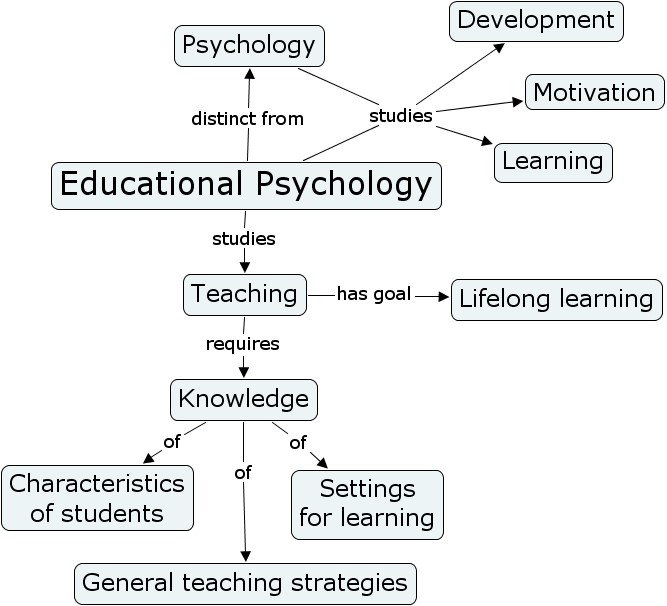
Educational Psychology Strategies...
15th June, 2026
 examples.png)
Universal Design for Learning (UDL) examples...
15th June, 2026
Social Emotional Learning (SEL) Activities...
15th June, 2026

Sensory Activities for Toddlers...
15th June, 2026
Books for Early Readers...
15th June, 2026

Play-based Learning Ideas at Home...
15th June, 2026
STEM Activities for Preschoolers...
15th June, 2026
Best Digital Planners for College Students...
15th June, 2026
Writing Prompts for Middle School...
15th June, 2026
Study Tips for High School Students...
15th June, 2026
How to Improve Reading Skills Quickly...
15th June, 2026
Categories
Blog Posts






Breaking News
We usually sends BREAKING News to students of National Open University, NOUN. Not to miss any of our latest updates, enter your email here