Last Updated: 13th June, 2026 | 06:47:00 PM
Study a Bachelor’s in the USA Scholarship
Navigating Bachelor’s Degree Scholarships for International Students in the USA

Pursuing a bachelor’s degree in the United States is a transformative experience, offering access to world-class facilities, diverse campus cultures, and unparalleled professional networks. However, the financial commitment can be significant. Understanding how to navigate the scholarship landscape is essential for turning this aspiration into a reality.
This guide provides a comprehensive roadmap for international students seeking financial support for undergraduate studies in the U.S.
Similar Articles:
Mpower Mba Scholarship International Students
New International Scholarship Opportunities
Monthly
MPOWER
Women in STEM Scholarship
Cystic
Fibrosis Foundation Clinical Fellowships Program
1. Understanding Scholarship Types
Funding for international undergraduates generally falls into three categories. Knowing the difference helps you target your applications effectively.
Merit-Based Scholarships: Awarded for your achievements.
These are not dependent on your financial situation but on your academic record, standardized test scores (SAT/ACT/TOEFL), athletic ability, artistic talent, or leadership experience. Need-Based Financial Aid: Based strictly on your family’s ability to pay. While many U.S. universities offer this to domestic students, only a select group of institutions are "need-blind" or provide generous need-based grants to international students.
External/Third-Party Scholarships: Funded by organizations, corporations, nonprofits, or governments rather than the university itself.
These are often niche and may require specific eligibility criteria, such as your country of origin, field of study, or community service history.
2. The Search Strategy: Where to Look
The most effective way to find funding is to treat your search as a structured project.
Institutional Aid (Your First Priority): Start by visiting the "Financial Aid" or "International Admissions" page of every university on your list. Many schools have automatic consideration for scholarships upon admission, while others require a separate application.
Reliable Aggregators: Use trusted databases to filter opportunities. EducationUSA (a U.S. Department of State network) is the most authoritative resource for international students. Other reliable databases include:
InternationalScholarships.com
FastWeb
College Board’s Scholarship Search
Professional Networking: Reach out to the International Student Office at your target universities. They often have internal lists of grants or emergency funding opportunities that aren't widely advertised.
3. The Scholarship Application Lifecycle
Scholarships in the U.S. follow a rigid timeline. Preparation must begin at least 12–18 months before your intended start date.
Phase 1: Research & Preparation (12–18 Months Out): Research university scholarship policies. Identify external grants and gather your documentation (transcripts, test scores, letters of recommendation).
Phase 2: The Application Window (6–12 Months Out): This is when you apply to universities and simultaneously submit separate scholarship essays or profiles. For need-based aid, you may be required to complete the CSS Profile.
Phase 3: Review & Selection (3–6 Months Out): If you are shortlisted, you may be invited for an interview. Prepare thoroughly by researching the organization's mission and reflecting on your personal narrative.
Phase 4: Admission & Visa (1–3 Months Out): If successful, your university will issue an I-20 form, which is required for your U.S. student visa interview.
4. How to Create a Competitive Application
International scholarships for excellence are highly competitive. To stand out:
Tailor Your Narrative: Scholarship committees look for potential. Don't just list achievements; write an essay that connects your past experiences to your future goals and how you plan to contribute to their specific campus community.
Leverage Letters of Recommendation: Build strong, long-term relationships with teachers or mentors who can speak to your specific qualities—such as your intellectual curiosity, resilience in the face of challenges, or leadership potential.
Proofread Relentlessly: A single grammatical error can weaken an otherwise stellar essay. Ask a mentor or teacher to review your work for clarity and tone.
5. Critical Warnings: Avoiding Scams
The scholarship search can be overwhelming, and unfortunately, scammers prey on anxious students.
If You Have to Pay, It’s a Scam: Legitimate scholarships will never ask for an application fee, processing fee, or "registration" fee.
Verify Sources: If you find a listing, go directly to the official website of the university or organization. Avoid websites that demand money in exchange for a "guaranteed" list of scholarships.
Use Official Channels: When in doubt, consult your local EducationUSA advising center. They are free, government-backed, and dedicated to helping international students navigate the U.S. higher education system safely.
You might also be Interest with these Scholarships
Australian Institute Research Grant
International Scholarship for Excellence
The Marten Bequest Travelling Scholarship
Undergraduate scholarship for international students in the U.S.
The United States is a great place to study, with some of the best universities in the world. However, it can be expensive. That's why so many students turn to scholarships for help. There are all sorts of scholarships available, but it can be difficult to find the right one for you. In this blog post, we'll introduce you to what you need to know about undergraduate scholarships for international students in the U.S.
What is a fully-funded scholarship?
A fully-funded scholarship is a scholarship that provides enough money to cover the full cost of attendance, including tuition, room and board, books, and other associated expenses.
There are a number of different types of scholarships available, including merit-based scholarships, need-based scholarships, and athletic scholarships. However, not all scholarships are fully funded. In fact, most scholarships only cover a portion of the cost of attendance.
If you're interested in applying for a scholarship, be sure to research the different types of scholarships available and find one that best meets your needs. And remember to apply early because many scholarships have deadlines well before the start of the school year.
How do international students qualify for these fully funded scholarships?
There are a number of ways for international students to qualify for scholarships. One common way is through academic merit. For example, many universities offer scholarships to international students who have high grades and test scores.
Another way to qualify for scholarships is by demonstrating financial need. Many organizations and governments offer scholarships to students from low-income families.
Another way to qualify for scholarships is through community service or extracurricular activities. For example, many scholarship programs provide money to students who have volunteered in their communities or who have participated in leadership roles in school clubs or organizations.
There are also a number of private companies and organizations that offer scholarships to international students. However, these usually come with specific requirements, such as being enrolled in a certain major.
Is there a difference between full-ride and fully funded scholarships?
No. At least not the way most people understand them. Full rides and fully funded scholarships mean the scholarship covers tuitions, accommodation and lodging for undergraduates. The term "full-tuition scholarships", on the other hand, usually means that while tuition is covered, you would still need to cover your other costs.
Undergraduate scholarships
There are many scholarships available for international undergraduate students. One great way to find out about scholarship opportunities is to search the internet or talk to your guidance counselor.
Some specific scholarships that may be available to you include the Fulbright Scholarship, National Merit Scholarship, and the Rhodes Scholarship. Additionally, many colleges and universities offer scholarships specifically for international students.
Be sure to do your research and explore all of your options in order to find the best fit for you!
Frequently Asked Questions:
How can I get an undergraduate scholarship in the U.S.?
The best way to search for undergraduate scholarships is to use a scholarship search engine. By using a scholarship search engine, you can input your specific criteria (e.g. field of study, location, etc.) and the database will generate a list of scholarship options that meet your qualifications.
Another great tip is to get in touch with your college’s financial aid office and ask about scholarships that are available specifically to students at your school. Many colleges and universities have their own internal scholarships that are not necessarily publicized, so it definitely pays to do your research!
You can also look into private scholarships offered by outside organizations. These tend to be more competitive, but there are many organizations out there that are looking to invest in promising students from all over the world.
How can an international student get a full scholarship in the U.S.?
There are many different avenues that enrolled international students can explore in order to get a full scholarship in the United States. One of the most popular options is to apply for a Fulbright Scholarship, which is a government-sponsored program that provides funding for students from all over the world to come and study in the U.S.. Another option is to apply for international scholarships through private organizations or corporations. Many companies offer scholarship programs specifically for international students, so it’s definitely worth doing some research to see if any of these might be a good fit for you.
Of course, another way to potentially get a full scholarship is simply by applying to schools that have generous financial aid packages for international students. Some colleges and universities will award scholarships based on academic merit, while others will take into account a student’s financial need. It’s important to explore all of your options and find the best fit for you!
What are some tips for getting an undergraduate scholarship?
- Start early - The sooner you start, the more time you'll have to gather information and apply for scholarships.
- Do your research - There are a variety of scholarships available, so do some digging to see what's best suited for you.
- Apply broadly - Don't just stick to one or two scholarships. Apply to as many as possible to increase your chances of winning one.
- Meet deadlines - Make sure you submit all applications on time!
- Follow instructions carefully - Scholarship providers often have specific instructions that must be followed exactly in order to be considered for the award.
- Have a strong essay - This is often one of the most important parts of the application.
Can international students get full scholarships?
Yes, international students can get full scholarships. However, it is important to note that the competition for these scholarships is quite fierce. In addition, most scholarships are need-based, so students who can demonstrate financial need will have an advantage. There are also a limited number of scholarships available, so not all international students who apply will receive one. That said, there are a number of ways to search for scholarships, such as using online databases or contacting the financial aid offices of the schools you're interested in attending. There's no guarantee that you'll receive a scholarship, but it's definitely worth looking into if you're hoping to finance your education without going into debt.
How can I get a scholarship to study in the U.S.?
There are a few ways to go about obtaining a scholarship to study in the United States. The first step is to research and identify the scholarships that you may be eligible for. There are many websites, such as iefa.org, that allow you to search for scholarships based on your personal criteria. Once you have identified the various scholarships that you may be eligible for, the next step is to then begin the application process.
For each scholarship, there will likely be an online application that needs to be completed. In addition, there may also be supplemental materials that need to be submitted along with the application itself (such as transcripts, letters of recommendation, etc.).
How can I study in the U.S. for free?
There are a few ways to study in the United States for free. One way is to attend a community college. Community colleges typically have lower tuition rates than four-year universities, and many offer financial aid and scholarships. Another way to study in the U.S. for free is to participate in a work-study program. Work-study programs allow students to work part-time while they are attending school, and their earnings go towards paying for their tuition and other expenses. Finally, you may be able to find scholarship opportunities that will cover all or part of your costs of studying in the United States. Be sure to investigate all your options fully before making a decision on how to finance your education.
Which universities give the most scholarships to international students?
If you are an international student, you may be eligible for scholarships from universities in your home country or from universities in the United States.
The best way to find out about scholarships available to international students is to contact the university directly. You can also search for scholarships on websites like Cappex or Fastweb.
Universities that typically offer the most scholarships to international students include Harvard University, Yale University, Princeton University, and Columbia University.
Which countries offer full scholarships for international students?
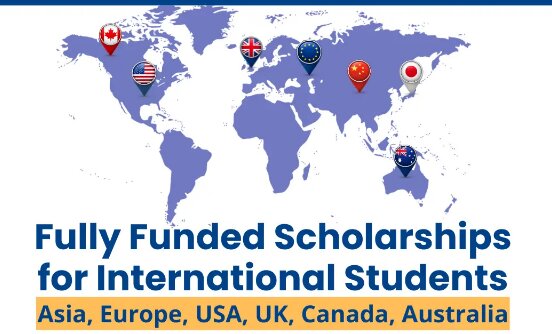
Many countries around the world offer full scholarships for international students. Some of the most popular destinations for students seeking scholarships include the United States, Canada, the United Kingdom, and Australia.
The process of applying for a scholarship can be competitive, so it is important to start researching and preparing early. You will need to gather information about various scholarship programs, as well as compile a strong application package that includes your transcripts, letters of recommendation, and personal statement.
There are a number of resources that can help you in your search for scholarships. The UK’s Chevening Scholarships program is one of the largest scholarship programs in the world, and offers awards to students from over 160 countries.
Which is the best scholarship for international students?
There are a lot of factors to consider when choosing the best scholarship for international students. Some scholarships are based on financial need, while others are based on academic merit. There are also scholarships available specifically for certain countries or regions.
Need-based scholarships can be a great option for international students who may not have the financial resources to otherwise attend school. Merit-based scholarships can be a good choice for students who have strong academic records and want to pursue their studies at an advanced level. Scholarships specific to certain countries or regions can be a good way to connect with other students from your background and learn about different cultures.
Whatever your situation, there is likely a scholarship out there that can help you reach your educational goals.
What is the easiest scholarship to get for international students?
There is no easy scholarship to get for international students. Scholarships are highly competitive and require students to meet certain academic and/or financial criteria. That being said, there are a few scholarships that are easier to obtain than others.
Some scholarships that may be easier for international students to obtain include:
- Scholarship programs offered by the student's home country
- Scholarships offered by the student's embassy or consulate in the United States
- Scholarships offered by American universities to international students
- Scholarships offered by private organizations or corporations
Are there international scholarships for graduate students?
Yes. In fact in many cases there are more scholarships for higher degrees than for prospective undergraduate students.
Other Opportunities
Final Thoughts
While full-ride scholarships for international undergraduates are rare and highly competitive, they are achievable for prepared, proactive students. By building a diverse portfolio of applications—combining merit-based university awards with targeted external grants—you significantly increase your chances of success. https://www.educations.com/scholarships/study-a-bachelors-in-usa-19901
Related Posts
How To Get An International Scholarship...
13th June, 2026
Scholarships for International Students...
13th June, 2026
School Specific Scholarships...
13th June, 2026

Situational Scholarships...
13th June, 2026
Special Interest Scholarships...
13th June, 2026
Athletic Scholarship...
13th June, 2026
Academic Scholarships...
13th June, 2026

The Marten Bequest Travelling Scholarship...
13th June, 2026
International Scholarship for Excellence...
13th June, 2026
Australian Institute Research Grant...
13th June, 2026

Cystic Fibrosis Foundation Clinical Fellowships Program...
13th June, 2026
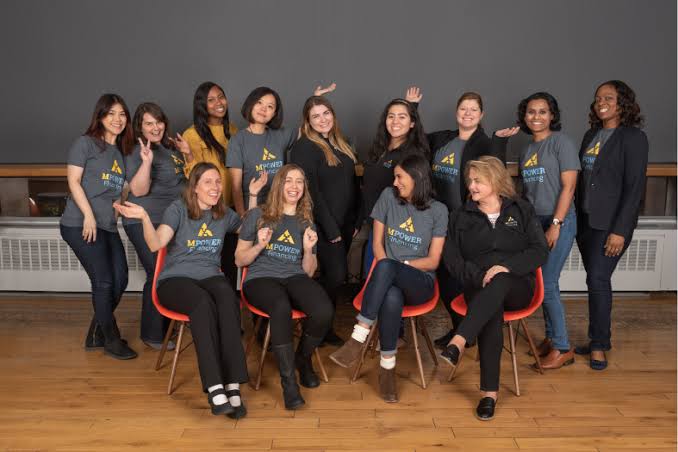
MPOWER Women in STEM Scholarship...
13th June, 2026
Categories
Blog Posts






Breaking News
We usually sends BREAKING News to students of National Open University, NOUN. Not to miss any of our latest updates, enter your email here