Last Updated: 13th June, 2026 | 07:49:51 PM
Scholarships for International Students
Navigating International Scholarships: A Comprehensive Guide to Funding Your Studies

Welcome to International Scholarships
If you’re an international student, finding a scholarship to help with your tuition can really be the difference in making studying abroad possible. But where do you start? There are thousands of scholarship opportunities out there, some of which are open to students from just about every country in the world. The trick is knowing where to look. What kinds of scholarships are there? Scholarships are awarded based on many different factors, and can be either merit-based or need-based and some depend on your chosen field of study.
The International Scholarship Search is here to make it easier to find a scholarship for students wishing to study abroad. At this site, you will find the most comprehensive listing of grants, scholarships, loan programs, and other information to assist college and university students from around the world in their pursuit to study abroad.
Securing an international scholarship is often the most significant hurdle in pursuing an education abroad. While the process can feel overwhelming, understanding how scholarships are structured and how to position yourself as a top candidate can turn a daunting task into a manageable strategy.
You might also be Interest with these Scholarships
Australian Institute Research Grant
International Scholarship for Excellence
The Marten Bequest Travelling Scholarship
Study a Bachelor’s in the USA Scholarship
1. Understanding the Scholarship Landscape
Scholarships are not one-size-fits-all.
Merit-Based Scholarships: Awarded based on academic excellence (GPA, test scores), leadership potential, or performance in arts/sports.
Need-Based Financial Aid: Offered by universities to students who demonstrate financial difficulty.
Government-Funded Scholarships: Many nations offer fully funded programs to attract international talent to their institutions (e.g., Fulbright in the US, Chevening in the UK, DAAD in Germany).
Country/Region-Specific Grants: Targeted awards for students from specific nations or underserved regions to promote cultural exchange.
External/Third-Party Scholarships: Provided by foundations, corporations, or professional associations (e.g., Google Generation Scholarships).
2. Where to Find Opportunities
Success begins with using reliable, authoritative sources. Avoid generic Google searches and focus on these platforms:
A. Official University Portals
Your first stop should always be the "Fees and Funding" or "Scholarships" page of the universities you are applying to. This is where you will find institutional merit awards and internal financial aid.
B. Trusted Global Databases
These platforms aggregate thousands of opportunities and allow you to filter by location, degree level, and subject:
IEFA.org (International Financial Aid) Scholars4Dev EducationUSA EduCanada
3. Mastering the Application: Strategic Tips
Scholarship committees are not just looking for the smartest students; they are looking for students who embody their organization's values and have a clear vision for the future.
Understand the Provider’s Mission: Before writing a word, research the organization. If a scholarship aims to support "future environmental leaders," your essay must focus on your environmental initiatives, not just your GPA.
Show, Don't Tell: Avoid generic claims like "I am a leader."
Instead, provide concrete evidence: “As president of the student council, I led a initiative that reduced campus food waste by 20%.” Tailor Every Essay: Never recycle essays. Committee members can spot a generic application immediately. Adapt your narrative to fit the specific questions and values of each provider.
Secure Strong Recommendations: Choose referees who can speak to your character, work ethic, and potential. Provide them with your updated CV and a summary of your goals so they can write a detailed, supportive letter.
4. The Scholarship Lifecycle (How to Manage Your Time)
Do not treat your search as a one-time activity. Follow this annual cycle:
Preparation (6–12 months before start date): Research programs, check eligibility, and prepare standardized test scores (e.g., IELTS, TOEFL, SAT, GRE).
Application (3–6 months before start date): Finalize essays, collect recommendation letters, and submit applications.
Follow-Up (Post-submission): Keep track of your deadlines in a spreadsheet. Follow up professionally if you have not heard back within the promised timeframe.
5. Critical Warning: Avoiding Scams
The international student community is often targeted by fraudulent actors. Keep these rules in mind to stay safe:
NEVER pay to apply for a scholarship. Legitimate scholarships are funded by universities, governments, or reputable organizations to support students.
Any organization asking you to pay an "application fee," "processing fee," or "registration fee" is a scam.
6. Actionable Next Steps
If you are ready to begin, take these three steps today:
Create a Spreadsheet: List every scholarship you are eligible for, noting deadlines, requirements, and links.
Organize Your Documents: Create a folder with your CV, transcripts, and passport copies ready for upload.
Consult Experts: Reach out to your home university’s international office or local educational advising centers (like EducationUSA) to ask for guidance on local opportunities you may have missed.
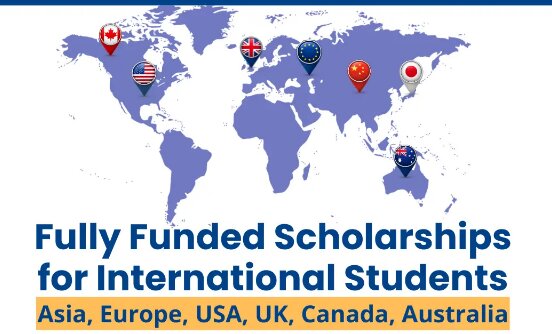
Top fully funded and partial international scholarships provide tuition, living stipends, and travel for students globally. Leading global options include the UK’s Chevening Scholarships, the USA's Fulbright Foreign Student Program, the Mastercard Foundation Scholars Program, and the European Union's Erasmus Mundus program.Use dedicated directories to find and apply for relevant international scholarships:- Global Directories: Search thousands of grants and student loans on the International Scholarships Search and the IEFA Scholarship Search.
- African & Nigerian Focus: Explore region-specific funding opportunities through Scholars for Dev or the Federal Ministry of Education Nigeria for local and international allocations. Country-Specific Portals: Browse university-specific and nation-wide awards using IDP Scholarships or International Student Scholarships.
Related Posts
How To Get An International Scholarship...
13th June, 2026
School Specific Scholarships...
13th June, 2026

Situational Scholarships...
13th June, 2026
Special Interest Scholarships...
13th June, 2026
Athletic Scholarship...
13th June, 2026
Academic Scholarships...
13th June, 2026

Study a Bachelor’s in the USA Scholarship...
13th June, 2026
The Marten Bequest Travelling Scholarship...
13th June, 2026
International Scholarship for Excellence...
13th June, 2026
Australian Institute Research Grant...
13th June, 2026

Cystic Fibrosis Foundation Clinical Fellowships Program...
13th June, 2026

MPOWER Women in STEM Scholarship...
13th June, 2026
Categories
Blog Posts






Breaking News
We usually sends BREAKING News to students of National Open University, NOUN. Not to miss any of our latest updates, enter your email here