Last Updated: 3rd June, 2026 | 07:37:07 PM
PTE Exam Preparation Tips
PTE Exam Preparation Tips: Your Ultimate Guide to Success

The Pearson Test of English (PTE) Academic exam is a vital step for many aspiring students and professionals aiming to study or work in English-speaking countries. Preparing effectively for the PTE exam can make a significant difference in your score and overall performance. This article provides comprehensive PTE exam preparation tips to help you achieve your desired results.
Understand the PTE Exam Format
Before you begin your preparation, familiarize yourself with the PTE exam structure. The test assesses four key English language skills:
- Speaking & Writing
- Reading
- Listening
Knowing the exam format and types of questions will help you tailor your study plan.
For a detailed overview, visit PTE Eligibility for Studying Abroad
Create a Study Schedule
Consistency is key when preparing for the PTE. Develop a realistic study schedule, allocating time daily or weekly to focus on different sections of the exam.
For guidance on time management and study planning, see PTE Online Exams Coaching
Use Authentic Study Materials
Practice with official or high-quality study materials that reflect the current PTE exam pattern. This includes sample questions, mock tests, and practice exercises.
Access reliable resources at PTE Exam Books FAQs
Take Regular PTE Mock Tests
Mock tests simulate the actual exam environment and help you:
- Manage time efficiently
- Identify strengths and weaknesses
- Build exam-day confidence
For more on mock tests and their benefits, visit PTE Mock Test FAQs
Focus on Your Weak Areas
Analyze your mock test results to pinpoint the sections where you need improvement. Allocate extra time to practice those areas.
For tips on improving scores, see PTE Cut Off
Enhance Your Vocabulary and Grammar
Strong vocabulary and grammar skills are critical for scoring well, especially in the writing and speaking sections. Practice using new words in sentences and review grammar rules regularly.
Find vocabulary building and grammar resources at PTE Home Testing
Practice Speaking Clearly and Confidently
The speaking section requires clear pronunciation, fluency, and coherence. Practice speaking English daily, record yourself, and listen for areas to improve.
Learn more about speaking tips at PTE Score Conversion to IELTS and TOEFL iBT Scores
Improve Listening Skills
Listening exercises such as podcasts, lectures, and sample PTE listening questions can enhance your ability to understand different accents and contexts.
Use Online PTE Coaching
Consider enrolling in PTE online coaching courses for structured learning, expert guidance, and personalized feedback.
For details on coaching options, see PTE Online Exams Coaching
Stay Healthy and Manage Stress
Good physical and mental health can positively impact your exam performance. Ensure adequate rest, nutrition, and relaxation in your preparation routine.
By following these PTE exam preparation tips, you can approach your test day with confidence and readiness. Consistent practice, focused study, and the right resources are your keys to success. For more information and updates on PTE exams, keep exploring nounloaded.com.ng.
Mastering the PTE: Your Comprehensive Guide to Preparation Materials
The Pearson Test of English (PTE) Academic is a high-stakes computer-based English language proficiency test trusted by universities, colleges, and governments worldwide for study and migration purposes. Achieving your target score requires more than just English fluency; it demands mastery of the test format, timing, and specific question types.
Success hinges on selecting the right resources and creating a structured, strategic study plan. Below is a curated breakdown of the essential materials and strategies to elevate your preparation.
1. The Official Foundation
Before diving into third-party resources, establish a baseline using official materials. These provide the most accurate representation of the actual exam’s difficulty, interface, and scoring criteria.
The Official Guide to PTE Academic: This is your primary textbook. It provides a thorough breakdown of all 20 question types, including scoring rubrics, sample responses, and detailed explanations of what examiners look for.
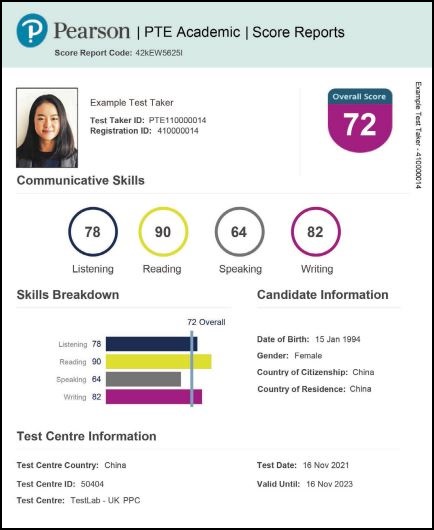
PTE Academic Practice Tests (Online): Pearson offers official scored practice tests. These are invaluable for two reasons: they simulate the real test environment, and they provide an official score report that helps identify your specific strengths and weaknesses before you pay for the actual exam.
Official YouTube Channel: The Pearson PTE YouTube channel is a goldmine for "test-day" tips, walkthroughs of complex question types, and advice directly from those who design the exam.
2. Digital Platforms and Mock Tests
Modern test preparation thrives on digital interaction. Platforms that mirror the PTE’s unique software interface help build the necessary muscle memory for the computer-based format.
AI-Powered Platforms: Numerous platforms (such as APEUni or Language Academy) utilize AI to grade your practice responses. While these are excellent for getting instant feedback on pronunciation, fluency, and content, remember that they are approximations. Use them to identify recurring errors, not as the final word on your ability.
Mock Test Portals: Taking full-length mock tests is critical. Aim to complete at least three to five full-length simulations before your actual test date to build stamina and master the time constraints of each section.
3. Essential Strategies for Resource Utilization
Having the material is only half the battle. How you use it determines your trajectory.
| Resource Type | Best Use Case | Frequency |
| Official Guide | Understanding rubric & scoring criteria | Initial Phase |
| AI Scoring Tools | Fine-tuning speaking & writing patterns | Ongoing |
| Full Mock Tests | Stamina building & time management | Final 2 Weeks |
| Vocabulary Banks | Expanding range for Academic Collocations | Daily |
4. Categorized Study Materials
To avoid overwhelm, organize your resources into these key skill areas:
For Speaking: Focus on platforms that provide real-time feedback on Oral Fluency and Pronunciation. Practice repeating sentences and describing images with a focus on natural pacing rather than perfect, robot-like articulation.
For Writing: Utilize resources that offer templates for Summarize Written Text and Write Essay. While templates help, ensure your content remains relevant to the specific prompt to avoid scoring penalties.
For Reading & Listening: These sections require extensive practice with academic vocabulary. Utilize online news sources like The Economist, National Geographic, or Scientific American to read and summarize articles—this mimics the academic tone and complexity of the actual test content.
5. Pro-Tips for Success
Simulate Reality: Always practice with the same headset and keyboard you plan to use on test day if possible. Being comfortable with your hardware can significantly reduce anxiety.
Track Your Errors: Don’t just move on to the next question. Maintain a "Mistake Log" where you document why you got a question wrong (e.g., misheard a word, poor time management, misunderstood the prompt).
Focus on the "Big" Tasks: The PTE is weighted. Prioritize tasks that yield the most points, such as Read Aloud (Speaking), Repeat Sentence (Speaking), and Write from Dictation (Listening). These sections contribute significantly to multiple sub-skills.
Consistency over Intensity: 60 minutes of focused practice every day is infinitely more effective than a single, grueling 8-hour session once a week.
Preparation is a marathon, not a sprint. By combining the precision of official materials with the flexibility of digital practice, you can build the confidence required to walk into the test center and perform at your peak.
You may also
like;
PTE Accepted Universities in UK FAQs
Pearson Test of English Academic accepted by
New Zealand
PTE Score Conversion to IELTS and TOEFL iBT
Scores
How to send PTE Academic Scores to Colleges
Related Posts

PTE Scored Practice Tests...
3rd June, 2026
PTE Exams Preparation ...
3rd June, 2026
PTE Syllabus FAQ...
3rd June, 2026
PTE Mock Test FAQs...
3rd June, 2026
PTE Eligibility for Studying Abroad...
3rd June, 2026
How to send PTE Academic Scores to Colleges...
3rd June, 2026
PTE Online Exams Coaching...
3rd June, 2026
PTE Scores and Results FAQ...
3rd June, 2026
PTE Result...
3rd June, 2026
PTE Exam Books FAQs...
3rd June, 2026
PTE Cut Off...
3rd June, 2026
PTE Home Testing...
3rd June, 2026
Categories
Blog Posts






Breaking News
We usually sends BREAKING News to students of National Open University, NOUN. Not to miss any of our latest updates, enter your email here